Regenerative Medicine in Norwood, MA
Non-surgical treatments for joint pain, spine conditions, and sports injuries from a double board-certified regenerative medicine physician.
Physician-led care • Personalized treatment plans • No unnecessary procedures
Regenerative medicine uses targeted, non-surgical treatments to support the body's natural ability to heal damaged tissue, reduce inflammation, and restore function. Rather than relying on medication to manage symptoms or surgery to remove or replace tissue, regenerative therapies are designed to address the underlying source of pain.
At Ritucci Regenerative Medicine in Norwood, every treatment plan starts with a thorough diagnostic evaluation. Dr. Steven Ritucci Jr. is double board-certified in physiatry and regenerative medicine, with fellowship training in spine care and over seven years of post-residency clinical experience. He evaluates each patient individually to determine whether regenerative care is appropriate and, if so, which approach is best suited to the specific condition.
We treat patients from across the Greater Boston area, including Norwood, Wellesley, Needham, Dedham, Canton, and surrounding communities. Our emphasis is on accurate diagnosis, honest recommendations, and care that prioritizes long-term function over short-term symptom relief.

What Is Regenerative Medicine?
Regenerative medicine is a branch of medicine focused on repairing, replacing, or regenerating damaged cells, tissues, and organs. In musculoskeletal care, regenerative treatments are used to support healing in joints, tendons, ligaments, cartilage, and other soft tissues that have been injured or have degenerated over time.
These treatments work by delivering concentrated biological materials, such as platelets, growth factors, or cells derived from your own body, directly to the site of damage. The goal is to stimulate a healing response that the body may not be able to produce adequately on its own, particularly in areas with limited blood supply like cartilage and ligaments.
Regenerative care is not appropriate for every condition. Some injuries require surgical repair. Some pain patterns respond better to conventional interventional approaches. The role of the diagnostic evaluation is to determine which patients are genuine candidates for regenerative treatment and which would benefit from a different path.
Conditions Treated With Regenerative Medicine in Norwood
Our Non-Surgical Regenerative Treatments
Platelet-Rich Plasma (PRP) Therapy
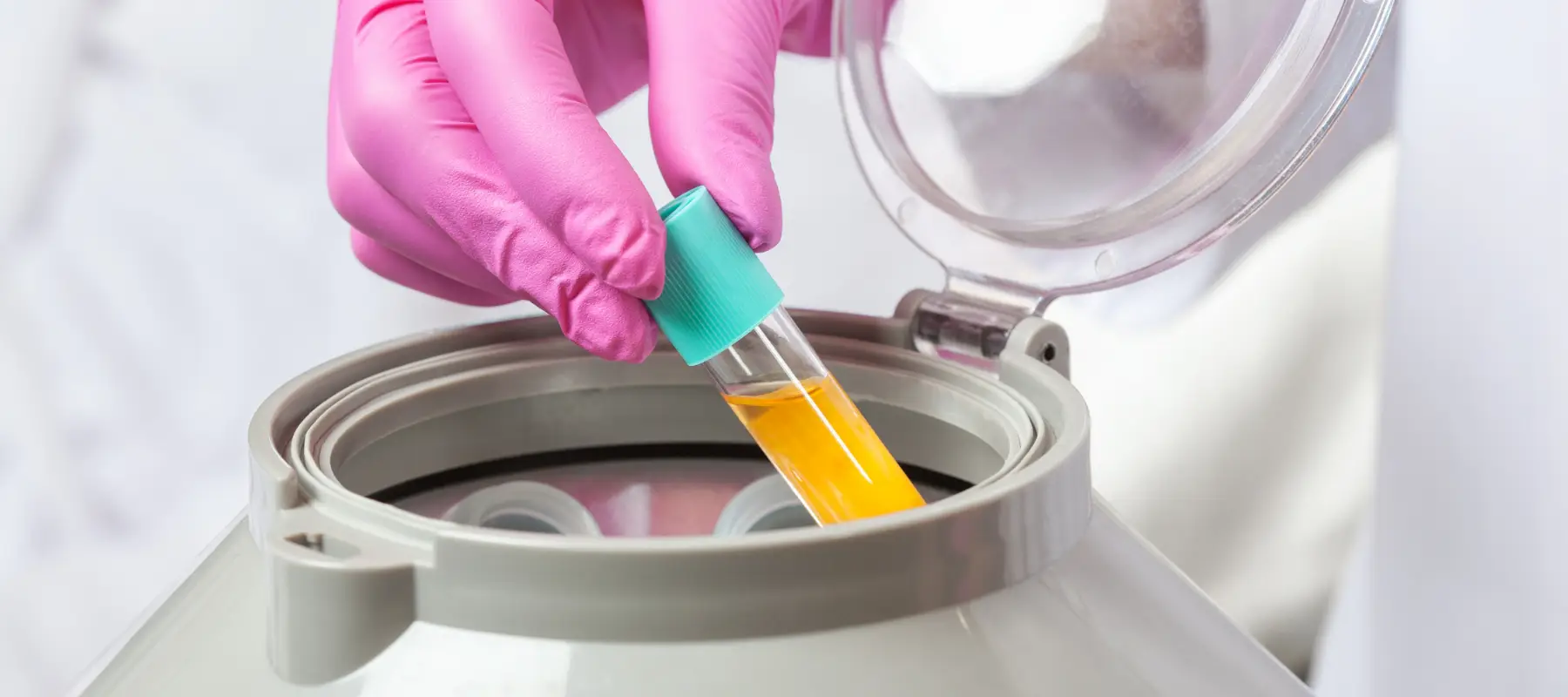
PRP uses a concentrated preparation of your own blood platelets, which contain growth factors that support tissue repair and reduce inflammation. A small blood sample is drawn, processed in a centrifuge, and the platelet-rich portion is injected directly into the affected area under ultrasound guidance. PRP is commonly used for knee osteoarthritis, tendon injuries, and ligament damage.
Stem Cell Therapy
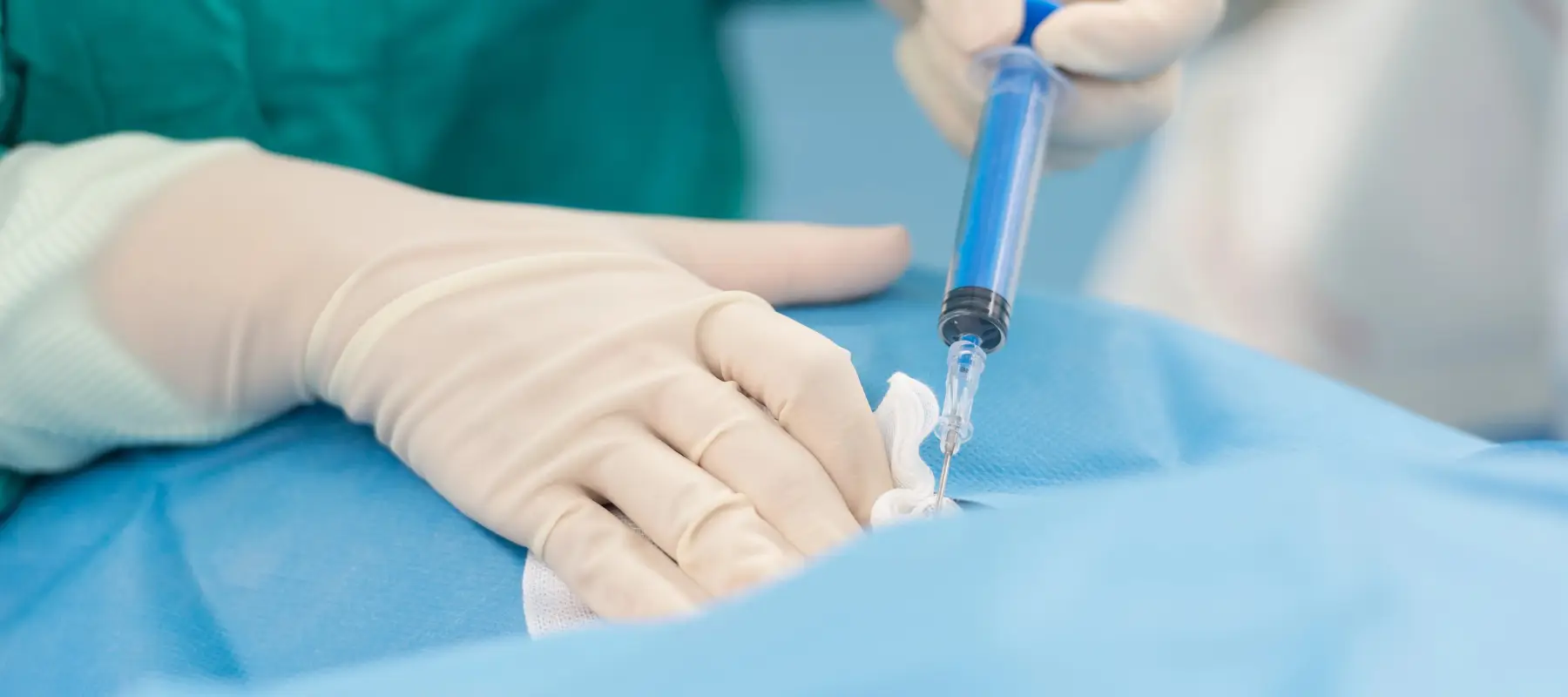
A more advanced regenerative option for patients with significant cartilage loss or joint degeneration. Our approach uses bone marrow aspirate concentrate (BMAC), which contains your own mesenchymal stem cells and growth factors. These concentrated cells are harvested from your bone marrow and injected into the damaged area to support tissue repair and regeneration.
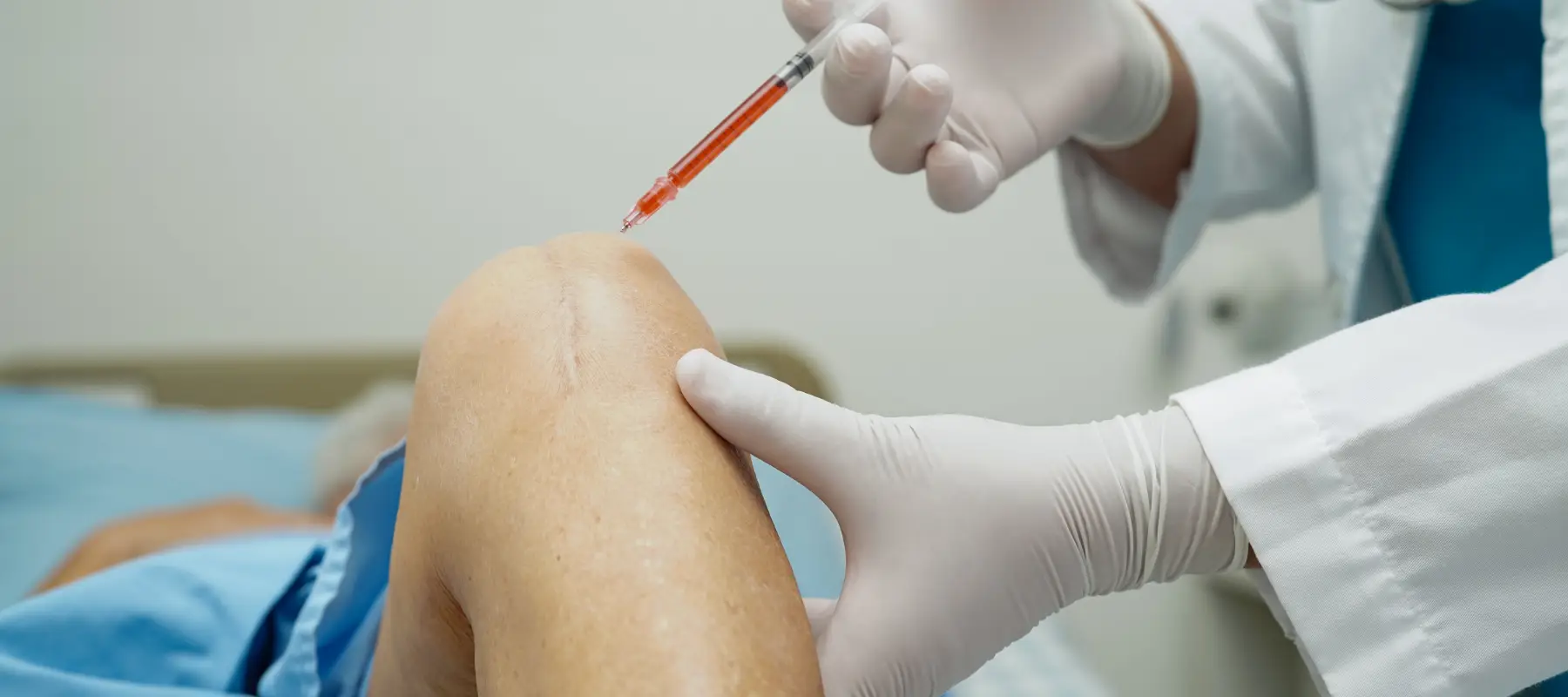
A2M (Alpha-2 Macroglobulin) Injections
A2M is a naturally occurring protease inhibitor that helps block the enzymes responsible for cartilage breakdown and joint degeneration. A2M injections are designed to slow the destructive process in arthritic joints and create a more favorable environment for healing.
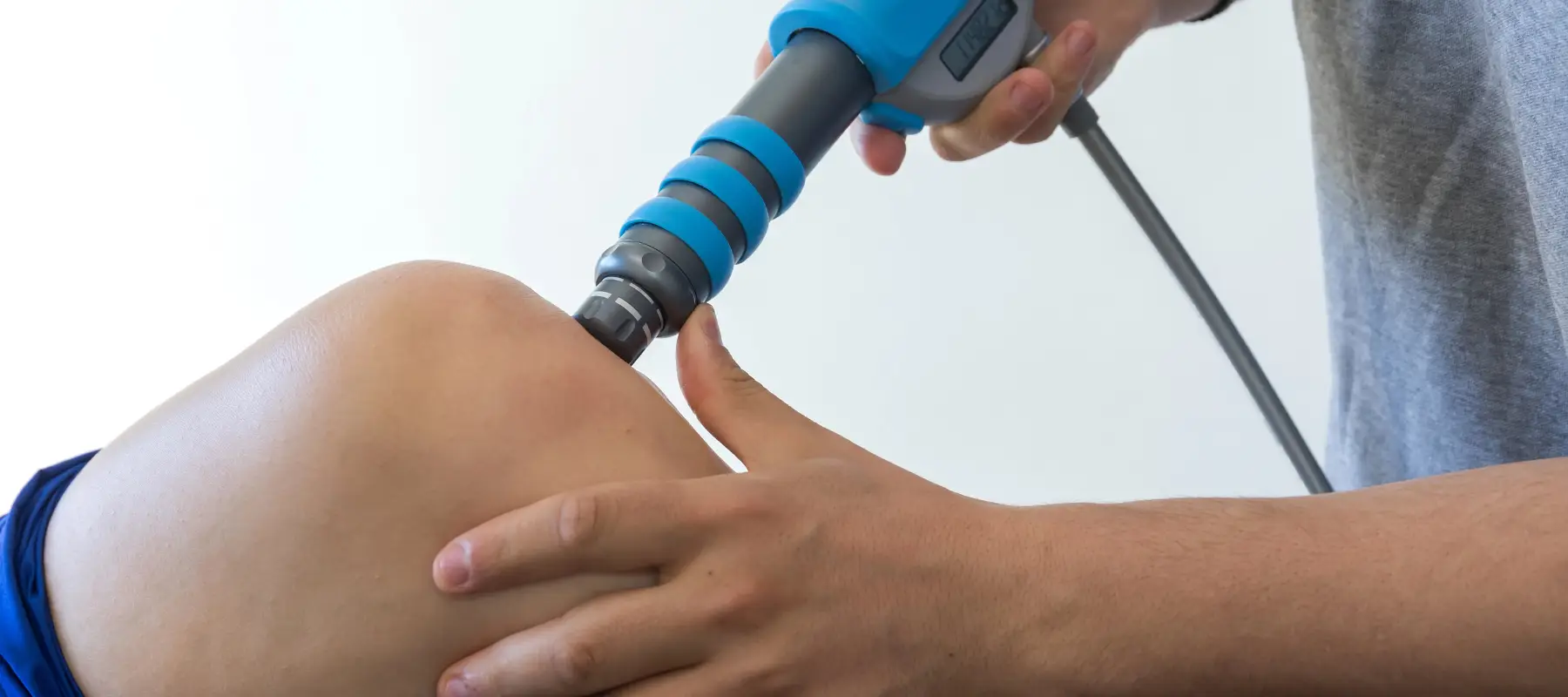
Focused Shockwave Therapy
A non-invasive treatment that delivers acoustic energy to promote circulation, stimulate tissue repair, and reduce pain. Shockwave therapy is often used alongside injection-based regenerative treatments or as a standalone option for tendon and soft tissue conditions.
Each treatment is performed in-office and guided by imaging when appropriate. Dr. Ritucci explains the rationale behind each recommendation, including why one approach may be preferred over another for your specific condition.
Who Is a Candidate for Regenerative Care?
Regenerative medicine may be appropriate if:
- You have joint, tendon, or spine pain that has not improved meaningfully with rest, physical therapy, or medication
- You want to explore non-surgical alternatives before considering a surgical procedure
- Imaging shows early to moderate tissue damage, but the condition has not progressed to a point requiring surgical intervention
- Prior treatments, including cortisone injections, have provided only temporary relief
- You are active and want to maintain mobility and joint health long-term
Candidacy also requires that you are cancer-free at the time of treatment and have functioning kidneys (not currently on dialysis).
Not every patient is a candidate, and not every condition responds to regenerative treatment. The diagnostic evaluation is specifically designed to determine whether regenerative care makes sense for your situation—or whether a different approach would serve you better.

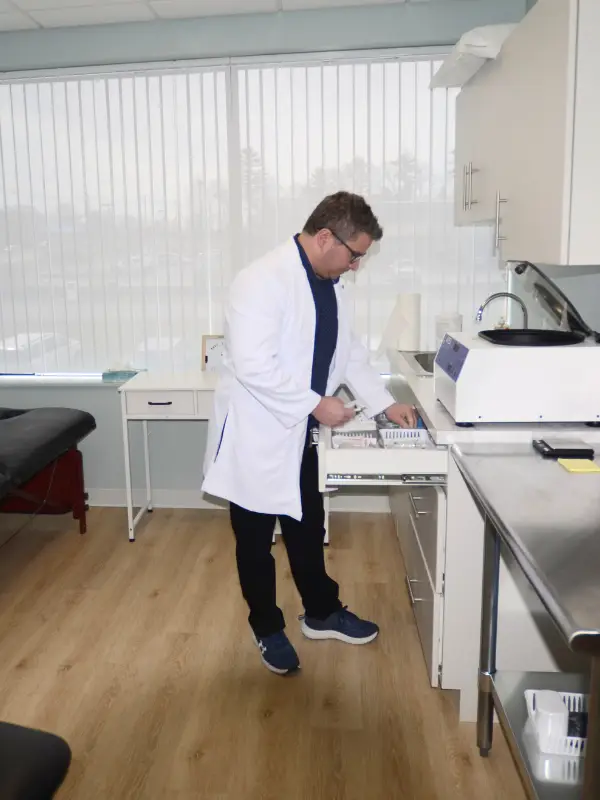
What to Expect From Your First Visit
The evaluation typically includes:
If a regenerative treatment is recommended, Dr. Ritucci explains the specific procedure, the expected timeline for improvement, and what results are realistic given your condition. If regenerative treatment is not the right fit, we will tell you that directly and discuss alternative approaches.
Treatment procedures are performed in-office, typically using ultrasound guidance for precision. Most regenerative treatments require minimal downtime, though recovery timelines vary by condition and treatment type.
Why Patients Choose Ritucci Regenerative Medicine
Patients often appreciate the clear communication, realistic expectations, and individualized care approach.

Serving the Greater Norwood Area
We treat patients from across the southwest Boston suburbs and South Shore communities.
Most patients reach our Norwood office in 10 to 25 minutes, and every visit includes free on-site parking
Frequently Asked Questions About Regenerative Medicine
What conditions can regenerative medicine treat?
Regenerative medicine is most commonly used for joint pain (knee, shoulder, hip), tendon and ligament injuries, spine-related pain, sports injuries, and chronic musculoskeletal conditions that have not responded to conventional care. A diagnostic evaluation is required to determine whether a specific condition is appropriate for regenerative treatment.
How is regenerative medicine different from cortisone injections?
Cortisone injections reduce inflammation temporarily but do not promote tissue repair. Repeated cortisone use can actually accelerate cartilage breakdown over time. Regenerative treatments like PRP and stem cell therapy are designed to support the body's healing process rather than mask symptoms. The right choice depends on the specific diagnosis.
Is regenerative medicine covered by insurance?
Most regenerative treatments, including PRP and stem cell therapy, are not currently covered by standard health insurance plans. The initial diagnostic evaluation and imaging may be covered depending on your plan. Our team can help answer questions about costs, and financing options are available.
How long does regenerative treatment take to work?
Response times vary by condition and treatment type. Some patients notice improvement within two to four weeks, while others may take several months to experience the full benefit. Dr. Ritucci discusses realistic timelines during the evaluation based on your specific diagnosis and the treatment being recommended.
Do I need a referral to schedule an evaluation?
No referral is required. You can schedule a consultation directly by calling our office or requesting an appointment online.
Schedule a Regenerative Medicine Evaluation
If pain, limited mobility, or a chronic condition is affecting your quality of life, the next step is a diagnostic evaluation. We will assess your condition thoroughly, explain your options honestly, and help you determine whether regenerative care is the right path forward.
Ritucci Regenerative Medicine is located at 115 Norwood Park S, Suite 208, Norwood, MA 02062. To schedule an evaluation, call (508) 722-0450 or request a consultation online.