Non-Surgical Shoulder Pain Treatment in Norwood, MA
Physician-led evaluation and regenerative treatment for rotator cuff injuries, shoulder arthritis, and chronic shoulder conditions.
Shoulder pain can make everyday tasks — reaching overhead, getting dressed, sleeping on your side — difficult or impossible. Whether the pain started suddenly after an injury or developed gradually over months, understanding the underlying cause is the first step toward effective treatment.
At Ritucci Regenerative Medicine in Norwood, we take a diagnosis-first approach to shoulder pain. Dr. Steven Ritucci Jr. is double board-certified in physiatry and regenerative medicine, with fellowship training in spine care and over seven years of post-residency clinical experience. He evaluates each patient individually to determine the source of pain and whether non-surgical treatment is appropriate.
Our goal is to provide an accurate diagnosis, an honest assessment of your options, and a treatment plan focused on restoring function and protecting long-term shoulder health
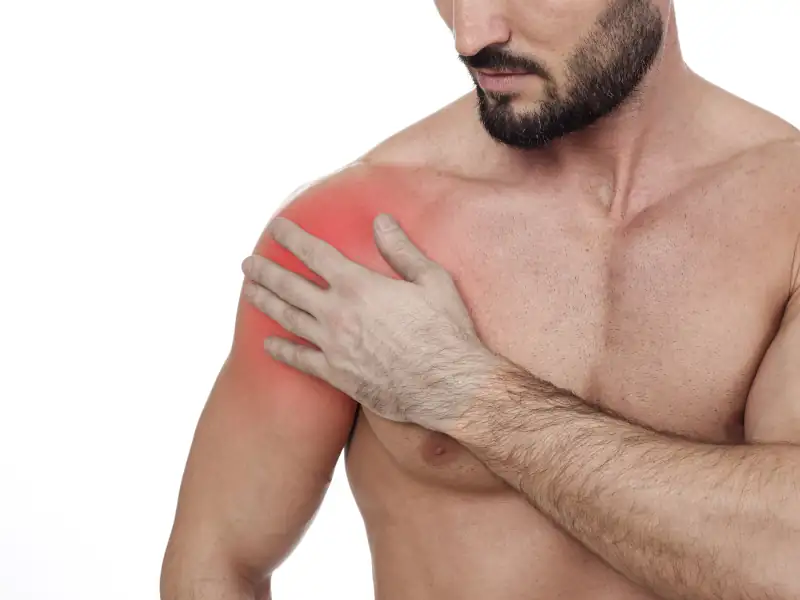
Common Causes of Shoulder Pain
Patients we evaluate in Norwood commonly present with:
PRP Injections for Shoulder Pain
Platelet-rich plasma (PRP) therapy is one of the most frequently used regenerative treatments for shoulder conditions. PRP uses a concentrated preparation of your own blood platelets — rich in growth factors — to support tissue repair and reduce inflammation at the site of injury.
How PRP is used for shoulder conditions:
A small blood sample is drawn, processed in a centrifuge to isolate the platelet-rich portion, and then injected directly into the affected area of the shoulder under ultrasound guidance. The precision of image-guided injection ensures that the PRP reaches the specific tissue — whether that’s a damaged rotator cuff tendon, an arthritic joint surface, or an inflamed bursa.
PRP may be appropriate for patients with rotator cuff tendinitis or partial tears, shoulder osteoarthritis, chronic bursitis, and labral injuries where the tissue has potential for healing without surgical repair.
Results develop gradually as the tissue responds to the concentrated growth factors. Some patients notice improvement within a few weeks, while others require multiple sessions over several months depending on the severity of the condition.


Regenerative Alternatives to Shoulder Surgery
Many patients seek care because they want to explore non-surgical options before committing to shoulder surgery. Beyond PRP, we offer several regenerative and conservative treatment approaches:
- Stem Cell Therapy: For patients with more significant cartilage loss or joint degeneration, stem cell therapy uses bone marrow aspirate concentrate (BMAC) containing your own mesenchymal stem cells and growth factors. These cells are injected into the damaged shoulder tissue to support repair and regeneration.
- A2M (Alpha-2 Macroglobulin) Injections: A protease inhibitor therapy that blocks the enzymes responsible for cartilage breakdown. A2M injections are designed to slow the degenerative process in arthritic shoulder joints and create a more favorable environment for healing.
- Focused Shockwave Therapy: A non-invasive treatment that delivers acoustic energy to stimulate circulation, promote tissue repair, and reduce pain. Shockwave therapy is commonly used for calcific tendinitis, chronic rotator cuff tendinitis, and other soft tissue conditions in the shoulder.
Each treatment is recommended based on your specific diagnosis. Dr. Ritucci explains why one approach may be more appropriate than another and what level of improvement is realistic for your condition.
What to Expect From Your First Visit
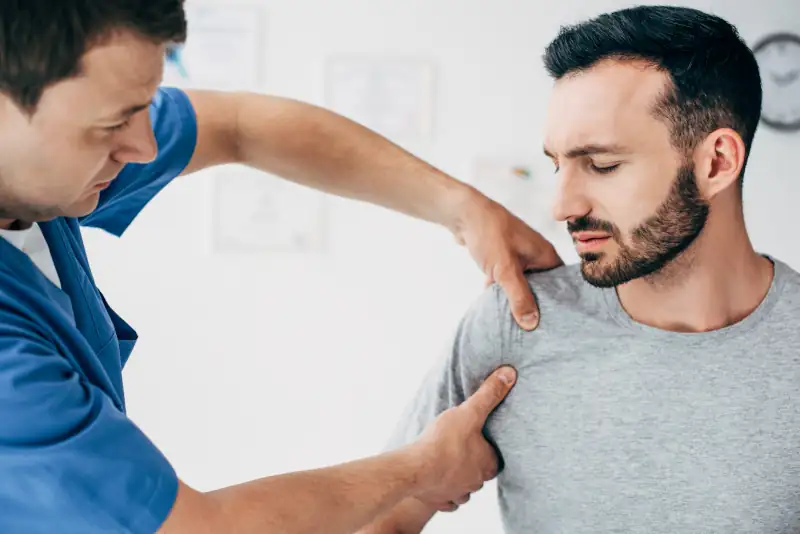
Your initial evaluation focuses entirely on understanding your shoulder condition before discussing treatment. The appointment typically includes:
- A detailed review of your medical history, prior treatments, and how your symptoms affect daily function
- A physical examination of the shoulder, including range of motion, strength, and stability testing
- Review of any existing imaging (X-rays, MRI) or recommendation for new imaging if needed
- A clear explanation of the diagnosis — what structure is involved and why it’s causing pain
- An honest discussion of treatment options, including whether non-surgical care is appropriate
If regenerative treatment is recommended, we explain the specific procedure, the expected timeline, and what results are realistic. If your condition requires surgical evaluation, we will tell you that directly and can help coordinate a referral.
FAQs
Rotator cuff problems?
This can cause shoulder pain.
Can PRP help a rotator cuff tear?
PRP therapy may be appropriate for partial rotator cuff tears and chronic rotator cuff tendinitis. The concentrated growth factors in PRP support tissue repair and reduce inflammation in the injured tendon. Complete tears that significantly affect function may require surgical evaluation, which is determined during the diagnostic assessment.
Is shoulder surgery necessary for arthritis?
Not always. Early to moderate shoulder osteoarthritis often responds to non-surgical regenerative treatments that aim to reduce inflammation, support cartilage health, and improve joint function. Advanced arthritis with significant structural damage may eventually require surgical options, but many patients benefit from regenerative care first.
How many PRP treatments will I need for shoulder pain?
The number of treatments depends on the condition being treated, its severity, and how your body responds. Some patients experience meaningful improvement after a single treatment, while others benefit from a series of two to three sessions spaced several weeks apart. Dr. Ritucci outlines a treatment plan and expected timeline during the initial evaluation.
Is regenerative shoulder treatment covered by insurance?
Most regenerative treatments, including PRP and stem cell therapy, are not currently covered by standard health insurance plans. The initial diagnostic evaluation and imaging may be covered depending on your plan. Our team can help answer questions about costs, and financing options are available.
What shoulder conditions do you treat?
We commonly evaluate and treat rotator cuff injuries (tendinitis, partial tears), shoulder osteoarthritis, frozen shoulder, labral tears, bursitis, impingement syndrome, and chronic shoulder pain that has not responded to physical therapy or cortisone injections. A diagnostic evaluation determines whether your specific condition is appropriate for regenerative care.
Schedule a Shoulder Pain Evaluation
If shoulder pain is limiting your movement, disrupting your sleep, or preventing you from staying active, the next step is a diagnostic evaluation. We will assess your condition thoroughly and explain your options clearly — including whether regenerative treatment is the right path for you.
Ritucci Regenerative Medicine is located at 115 Norwood Park S, Suite 208, Norwood, MA 02062. To schedule an evaluation, call (508) 722-0450 or request a consultation online.