
Platelet-Rich Plasma (PRP) Therapy for Joint & Soft Tissue Pain
A regenerative treatment using your body’s own healing factors to support joint, tendon, and ligament recovery—without surgery.

What Is PRP Therapy?
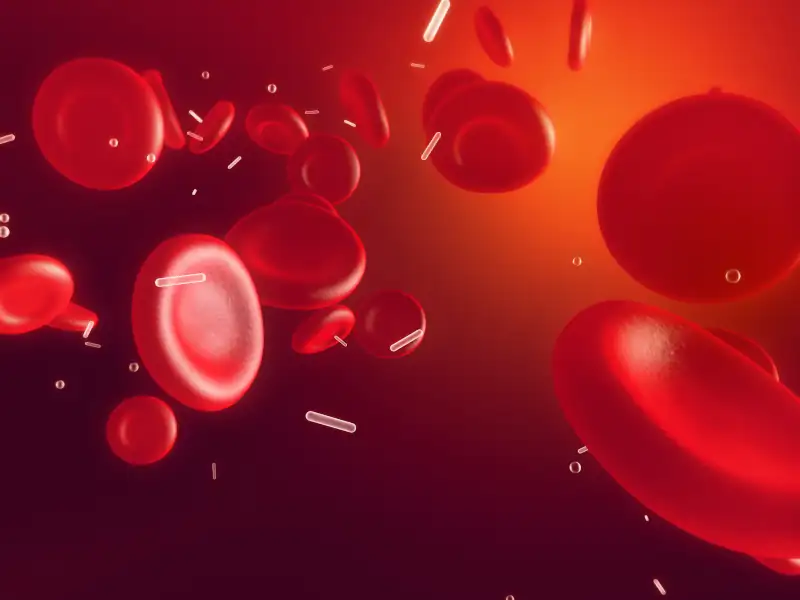
Platelet-Rich Plasma (PRP) therapy is a regenerative treatment that uses a concentrated portion of your own blood to support healing in injured or degenerated tissue. PRP contains platelets and growth factors that play a role in tissue repair and inflammation modulation.
Because PRP is derived from your body, it is commonly used as a non-surgical option for joint, tendon, and ligament conditions where healing has slowed or stalled.
How PRP Works in the Body
PRP works by delivering a high concentration of platelets directly to the injured area. These platelets release signaling proteins that help regulate inflammation and support the body’s natural repair response.
Rather than masking symptoms, PRP is designed to support biological healing at the tissue level.
Conditions Commonly Treated With PRP
A comprehensive evaluation is required to determine whether PRP is appropriate for your condition.


PRP vs Other Injection Therapies
Instead, it aims to support tissue repair over time. PRP is also distinct from bone marrow–based therapies. While both are regenerative, PRP uses blood-derived platelets rather than bone marrow–derived cells and is generally considered when less invasive regenerative support is appropriate.
What to Expect During PRP Treatment
PRP treatment begins with a blood draw, followed by centrifugation to isolate the platelet-rich portion. The PRP is then injected into the targeted area under precise guidance.
Most visits are completed in a single appointment, and the procedure is performed in-office.
Recovery, Results & Timeline
Post-treatment soreness is common for several days. Improvement typically develops gradually over weeks as the tissue response evolves.
Some patients require more than one treatment depending on the condition and response.


Is PRP Right for You?
A physician-led evaluation is essential to determine candidacy.
Schedule a regenerative medicine consultation to determine whether PRP therapy fits your diagnosis and goals.
FAQs
PRP injections.
PRP works by delivering a high concentration of platelets directly to the injured area.
How is PRP different from a steroid injection?
PRP is designed to support the body’s natural healing response rather than temporarily suppress inflammation. Steroid injections may provide short-term relief but do not promote tissue repair.
How many PRP treatments are typically needed?
Some patients respond to a single treatment, while others may benefit from a series depending on the condition and severity. This is determined during evaluation and follow-up.
Is PRP painful?
Mild discomfort during and after the injection is common. Post-treatment soreness usually resolves within several days.