
Conditions We Treat
A diagnosis-first approach to spine, joint, nerve, and chronic pain conditions—focused on understanding the source of symptoms before deciding on care.
At Ritucci Regenerative Medicine, we focus on identifying the underlying cause of pain and functional limitations before discussing treatment.
Musculoskeletal and neurologic symptoms often overlap across conditions. By grouping symptoms into diagnostic categories, our physicians can determine what is driving the problem and whether regenerative or interventional care may be appropriate.
What “Conditions We Treat” Means
“Conditions We Treat” reflects a medical, diagnosis-driven framework, not a list of procedures.
This approach helps distinguish between acute injury, chronic pain syndromes, and complex or overlapping conditions.

How Conditions Connect to Non-Surgical Care
Many of the conditions we evaluate can be managed without surgery when properly diagnosed and addressed early.
Non-surgical care may be appropriate when:
Condition pages explain the nature of each diagnosis, common causes, symptom patterns, and when conservative or non-surgical management may be considered—without assuming the same approach is right for every patient.
Conditions by Category

Spine Conditions
Conditions affecting the spine often involve structural changes, nerve compression, or post-surgical complications.
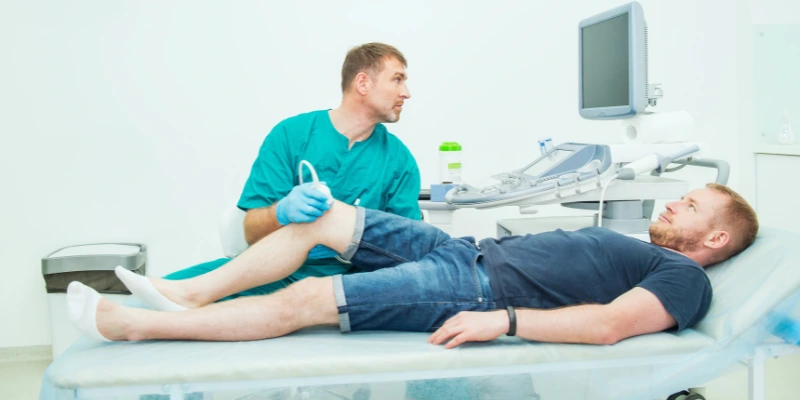
Joint & Soft Tissue Conditions
Joint and myofascial conditions often result from overuse, injury, degeneration, or altered movement patterns.
Not Sure Where Your Symptoms Fit?
Many patients experience symptoms that overlap categories—or evolve over time.
If pain:
- Has lasted longer than expected
- Interferes with sleep, work, or daily activity
- Returned after previous treatment or surgery
- Is difficult to describe or predict
A diagnostic evaluation can help clarify what’s happening and what options exist.
Schedule a Diagnostic Evaluation
If pain, weakness, stiffness, or limited mobility is affecting your quality of life, the next step is evaluation—not treatment selection.