
Non-Surgical Knee Pain Treatment in Norwood, MA
Physician-led evaluation and regenerative treatment for knee arthritis, injuries, and chronic knee conditions.
Knee pain affects how you walk, how you exercise, and how you get through a normal day. Whether it developed gradually over time or followed a specific injury, persistent knee pain deserves a thorough evaluation before any treatment decisions are made.
At Ritucci Regenerative Medicine in Norwood, we take a diagnosis-first approach to knee pain. Dr. Steven Ritucci Jr. is double board-certified in physiatry and regenerative medicine, with fellowship training in spine care and over seven years of post-residency clinical experience. He evaluates each patient individually to identify the specific cause of pain and determine whether non-surgical treatment is appropriate.
Our goal is to help you understand your condition clearly, explore your treatment options honestly, and pursue a plan that supports long-term knee function and joint health.
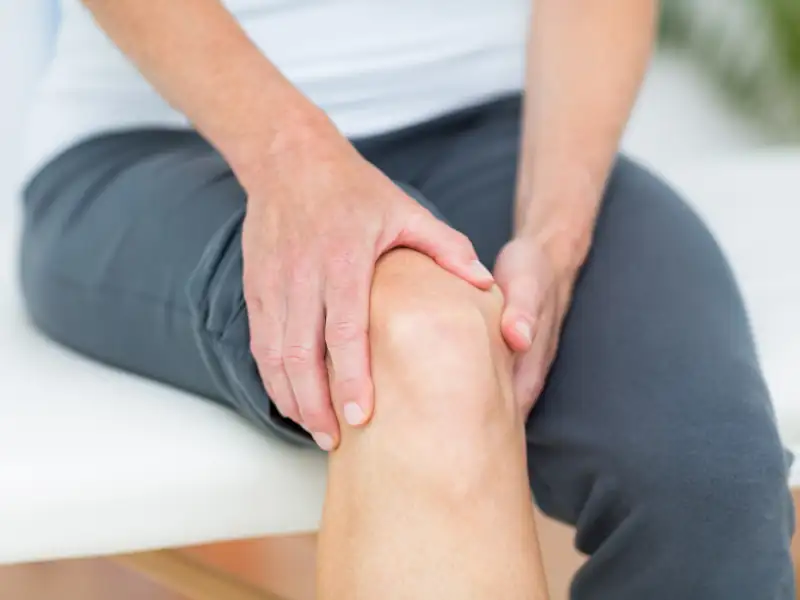
Common Causes of Knee Pain
When to Consider Non-Surgical Treatment for Knee Pain
A thorough diagnostic evaluation, often including imaging review and a physical examination, helps determine which patients are appropriate candidates for non-surgical care and which may benefit from a surgical referral instead.


PRP Therapy for Knee Pain
Platelet-rich plasma (PRP) therapy is one of the most commonly used regenerative treatments for knee conditions. The procedure uses a concentrated preparation of your own blood platelets, which contain growth factors involved in tissue repair and inflammation reduction.
How PRP works for knee pain:
A small blood sample is drawn and processed in a centrifuge to concentrate the platelet-rich portion. This concentrated plasma is then injected directly into the affected area of the knee under ultrasound guidance. The growth factors released by the platelets are designed to support healing in damaged cartilage, tendons, and ligaments.
PRP may be appropriate for patients with knee osteoarthritis, tendon injuries, meniscus damage, and other conditions where the body’s natural repair process would benefit from targeted support.
Treatment response varies by condition and severity. Some patients notice improvement within a few weeks, while others may require multiple sessions over several months. Dr. Ritucci discusses expected timelines and realistic outcomes during the initial evaluation.
Regenerative Treatment Options for Knee Conditions
Treatment plans are not one-size-fits-all. After a comprehensive evaluation, Dr. Ritucci recommends the approach best suited to your specific condition, and explains the reasoning behind each recommendation.


What to Expect From Your First Visit
If regenerative treatment is recommended, we explain the procedure, the expected recovery timeline, and what results are realistic for your specific condition. If a different approach is more appropriate, we will tell you that directly.
FAQs
Knee pain problems?
We can resolve your knee problems.
Can knee arthritis be treated without surgery?
In many cases, yes. Early to moderate knee osteoarthritis often responds to non-surgical treatments such as PRP therapy, stem cell therapy, or other regenerative approaches. These treatments aim to reduce inflammation, support cartilage health, and improve joint function without the risks and recovery time associated with surgical procedures. However, advanced arthritis with severe joint deterioration may require surgical evaluation.
How long does PRP therapy take to work for knee pain?
Response times vary depending on the condition being treated and its severity. Some patients begin to notice improvement in pain and mobility within two to four weeks, while others may take several months to experience the full benefit. Dr. Ritucci discusses realistic timelines during the evaluation based on your specific diagnosis.
Is regenerative medicine for knee pain covered by insurance?
Most regenerative treatments, including PRP and stem cell therapy, are not currently covered by standard health insurance plans. However, the initial diagnostic evaluation and imaging may be covered depending on your plan. Our team can help answer questions about costs and available financing options.
What knee conditions can regenerative medicine treat?
Regenerative treatments are commonly used for knee osteoarthritis, meniscus tears, tendinitis, ligament injuries, bursitis, and post-surgical pain. Not every knee condition is a candidate for regenerative care, which is why a thorough diagnostic evaluation is the first step.
How is your approach different from cortisone injections?
Cortisone injections reduce inflammation temporarily but do not address the underlying condition. Repeated cortisone use can actually contribute to further cartilage breakdown over time. Regenerative treatments like PRP and stem cell therapy are designed to support tissue repair rather than mask symptoms. The right approach depends on the specific diagnosis and clinical findings.
Schedule a Knee Pain Evaluation
If knee pain is affecting your ability to move, work, or stay active, the next step is a diagnostic evaluation. We will assess your condition thoroughly and explain your options clearly, including whether regenerative treatment makes sense for you.
Ritucci Regenerative Medicine is located at 115 Norwood Park S, Suite 208, Norwood, MA 02062. To schedule an evaluation, call (508) 722-0450 or request a consultation online.