
Chronic & Acute Back Pain
Diagnosis-Driven, Non-Surgical Back Pain Care

Causes of Back Pain
Back pain may stem from muscle strain, disc injury, joint degeneration, nerve compression, or repetitive stress. In many cases, multiple factors contribute at once.
Acute vs Chronic Back Pain
Identifying which type of back pain you have helps our doctors plan the proper treatment.
Non-Surgical Treatment Options
Treatment may include targeted injections, physical therapy coordination, shockwave therapy, or muscle-focused interventions depending on the source of pain.
Regenerative Approaches for Back Pain
Regenerative treatments may be considered for disc-adjacent structures, ligaments, or chronic inflammatory patterns when appropriate.
What to Expect From Care
Your care plan focuses on reducing pain while improving function—not masking symptoms indefinitely.
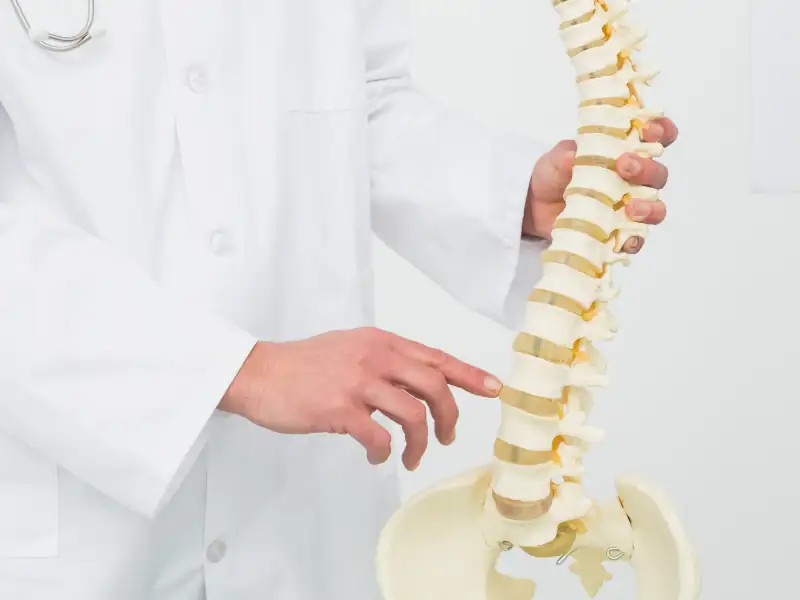
When to Seek Treatment
If back pain persists, worsens, or limits daily activity, evaluation is recommended before symptoms become harder to manage.
Chronic & Acute Back Pain — FAQs
What is back pain?
Back pain may stem from muscle strain, disc injury, joint degeneration, nerve compression, or repetitive stress.
How do I know if my back pain is acute or chronic?
Acute back pain typically comes on suddenly after an injury or strain and lasts days to weeks. Chronic back pain persists for three months or longer and often involves underlying structural or nerve-related factors. An evaluation helps determine which type you’re experiencing.
Can chronic back pain be treated without surgery?
Yes. Many cases of chronic back pain respond well to non-surgical care such as targeted injections, regenerative treatments, and guided rehabilitation. Surgery is usually considered only when conservative options fail or neurological risk is present.
Should I wait for back pain to improve on its own?
Short-term back pain may resolve with rest, but ongoing or worsening pain should be evaluated to prevent progression and long-term limitations.